Welcome to Foodsure!






Sedex Audit in Home Appliances Factory
85000 INR/Unit
Product Details:
X
Sedex Audit in Home Appliances Factory Price And Quantity
- 1 Unit
- 85000 INR/Unit
- Refrigerators, Washing Machines, Microwave Ovens, Air Conditioners, and more
- Sedex Approved Third-Party Auditors
- Comprehensive Audit Report
- Global Sedex/SMETA Protocols
- Confidential Handling of Factory Data and Reports
- 1-3 days depending on site size
- Labor Standards, Health & Safety, Environment, Business Ethics
- Applicable for Home Appliances Factories Globally
- Facility Inspection, Employee Interviews, Management Evaluation
- Home Appliances Manufacturing
- Sedex Audit
- Action Plan Required for Non-conformities
- Sedex Members Ethical Trade Audit (SMETA)
- Certification Report, Improvement Recommendations
- Annual or As Required
- Employee Records, Safety Logs, Environmental Documents, Management Policies
- English or as required by client
Sedex Audit in Home Appliances Factory Trade Information
- New Delhi
- Paypal, Cash Against Delivery (CAD), Cash on Delivery (COD), Cash Advance (CA), Cash in Advance (CID), Cheque
- 10 Unit Per Month
- 30 Days
- Yes
- Free samples are available
- As Per Customer
- All India
- ISO9001:2015
Product Description
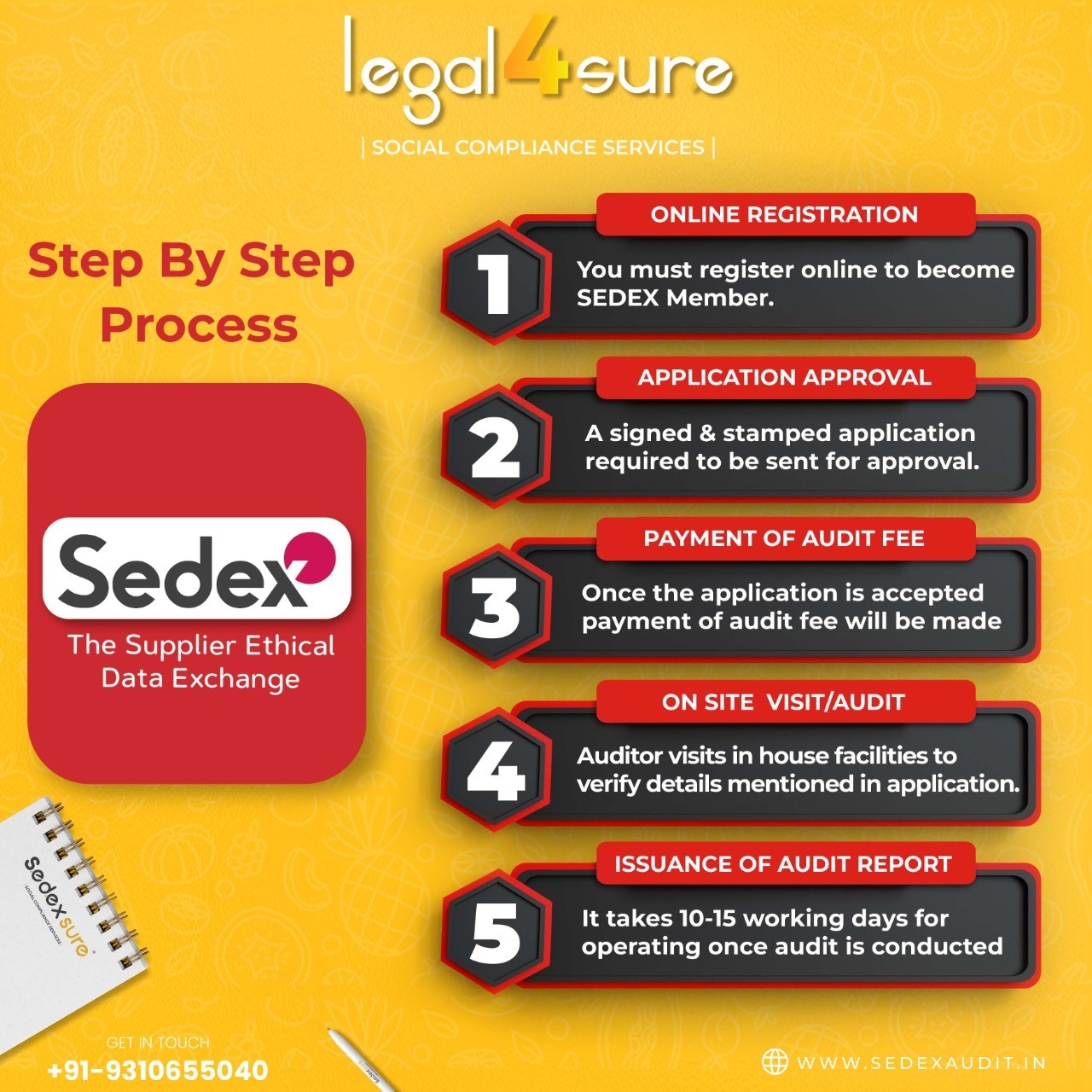
Membership To participate in Sedex audits a company needs to become a Sedex member This involves registering on the Sedex platform and paying the membership fee
SelfAssessment After becoming a member the supplier is required to complete a self assessment questionnaire known as the Sedex SelfAssessment Questionnaire SAQ. The SAQ covers various aspects of social and ethical compliance such as labor standards health and safety environmental impact and business ethics
Audit Selection Based on the SAQ responses Sedex uses a risk based approach to select suppliers for audits Factors such as geographical location industry and past performance may influence the selection process
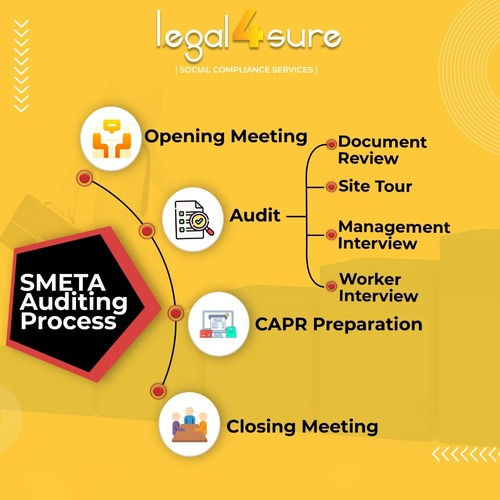
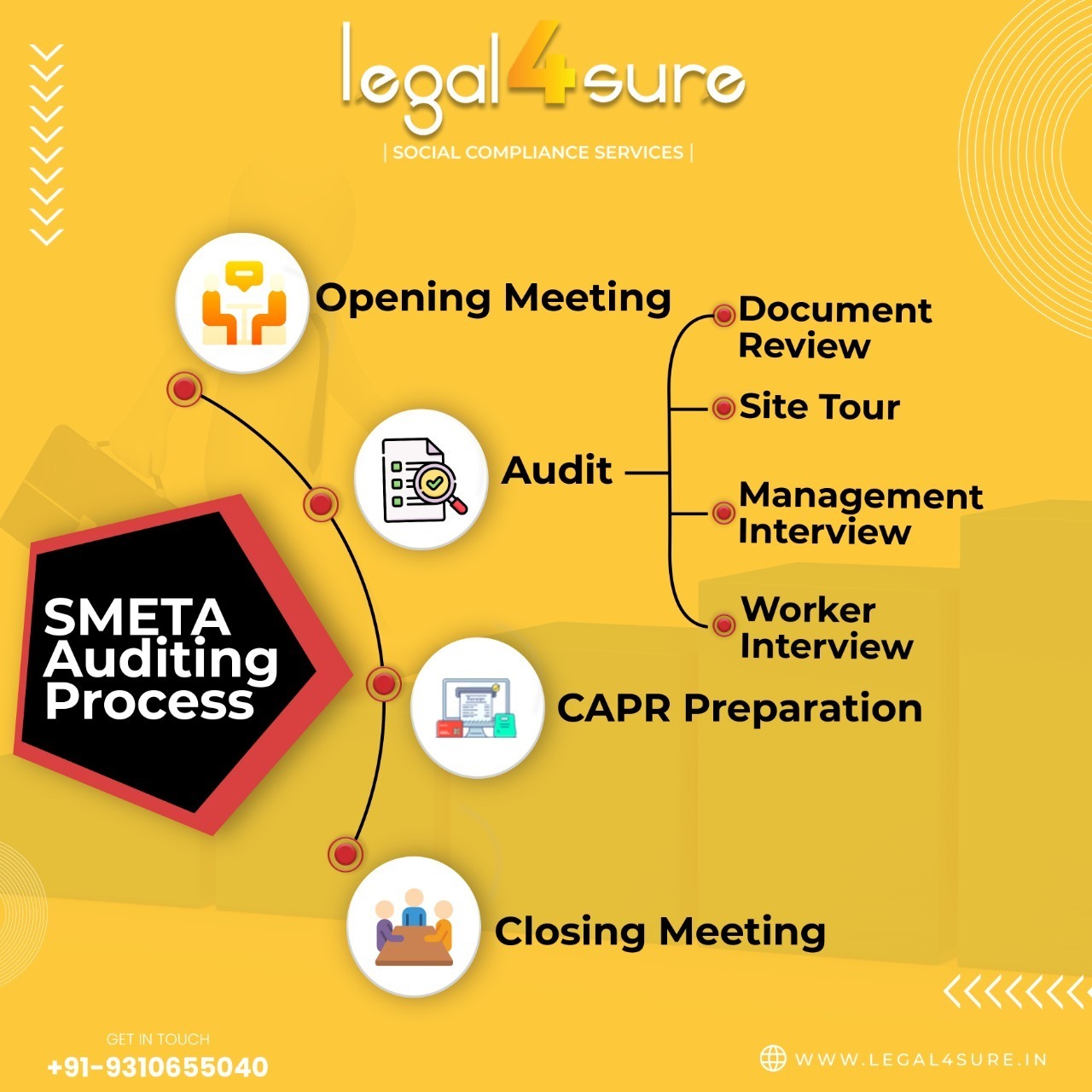
Audit Execution Once selected the supplier undergoes an audit conducted by an approved Sedex audit firm or an independent third party auditor The audit firm typically contacts the supplier to schedule the audit and provides information about the scope objectives and requirements of the audit
OnSite Audit The auditor visits the suppliers premises and conducts an onsite assessment The audit involves reviewing documents conducting interviews with workers and management and inspecting facilities to verify compliance with social and ethical standards The auditor may focus on areas such as employment practices health and safety working hours wages and management systems
Audit Report Following the onsite audit the auditor prepares an audit report detailing the findings observations and recommendations The report is usually shared with the supplier and sometimes with the buyer who requested the audit
Corrective Actions If any noncompliance or areas for improvement are identified during the audit the supplier is expected to develop and implement corrective action plans to address these issues Sedex encourages a continuous improvement approach where suppliers work to resolve any identified shortcomings and strengthen their social and ethical performance
FollowUp Audit In some cases especially if significant non compliances were found during the initial audit a followup audit may be scheduled to verify that the supplier has taken appropriate corrective actions
Data Sharing Sedex allows suppliers to share their audit reports and other relevant information with their customers or other Sedex members through the platform This helps companies access and evaluate the social and ethical performance of their suppliers
Its important to note that Sedex audits are not certifications but rather assessments of a suppliers social and ethical performance However Sedex members may use the audit reports to demonstrate their commitment to responsible sourcing and meet the requirements of their customers or industry initiatives
Comprehensive Audit Scope
The Sedex Audit covers critical areas, including labor standards, health and safety protocols, environmental impact, and business ethics compliance. Each factory undergoes a systematic review of policies, documentation, and on-site practices to ensure adherence to global Sedex/SMETA protocols.
Global Standards & Certification
Factories that pass the SMETA audit are recognized for upholding international ethical trade standards. Certification enhances global market credibility, helping suppliers meet customer and regulatory requirements for home appliances like refrigerators and washing machines.
FAQ's of Sedex Audit in Home Appliances Factory:
Q: How is a Sedex Audit conducted in a home appliances factory?
A: A Sedex Audit is carried out by Sedex-approved third-party auditors who examine factory documentation and perform on-site assessments. This process includes facility inspections, employee interviews, and management evaluation to verify compliance with labor, health and safety, environment, and business ethics standards.Q: What documents are required for the Sedex Audit?
A: Factories must provide employee records, safety logs, environmental documents, and management policies. These documents help auditors assess compliance with global Sedex/SMETA protocols and identify areas for improvement.Q: When and how often is the Sedex Audit performed?
A: The audit is typically scheduled annually or as required by clients and industry needs. The duration ranges from one to three days, depending on the size of the factory and the scope of production.Q: Where is the Sedex Audit applicable for home appliances manufacturing?
A: Sedex Audits are applicable to home appliances factories globally, regardless of their location. The audit protocol is consistently applied across factories making products such as refrigerators, air conditioners, and microwave ovens.Q: What happens after a Sedex Audit is completed?
A: Upon completion, the factory receives a comprehensive audit report detailing the findings, certification status, and specific improvement recommendations. If non-conformities are found, an action plan is required to address identified issues.Q: What are the benefits of SMETA certification for a home appliances factory?
A: SMETA certification boosts factory reputation, facilitates business with global buyers, and demonstrates commitment to ethical trade. Certified factories are better positioned to meet compliance requirements and build lasting business relationships.Q: How are data and audit reports managed securely?
A: All factory data and audit reports are handled strictly confidentially by Sedex-approved auditors, with documentation and findings typically reported in English or as specified by the client.Tell us about your requirement

Price:
Quantity
Select Unit
- 50
- 100
- 200
- 250
- 500
- 1000+
Additional detail
Mobile number
Email

Other Products in 'Certification & Compliances' category






- 902, Samaypur Badli Industrial Area,Delhi - 110042, India
F & B CONSULTANT

- wecare@foodsure.in
- Mr Himanshu Pratap (Founder)
Mobile :+919870533566, +918826663121
 Send Inquiry
Video




© COPYRIGHT 2024 FOODSURE - ALL RIGHTS RESERVED

